
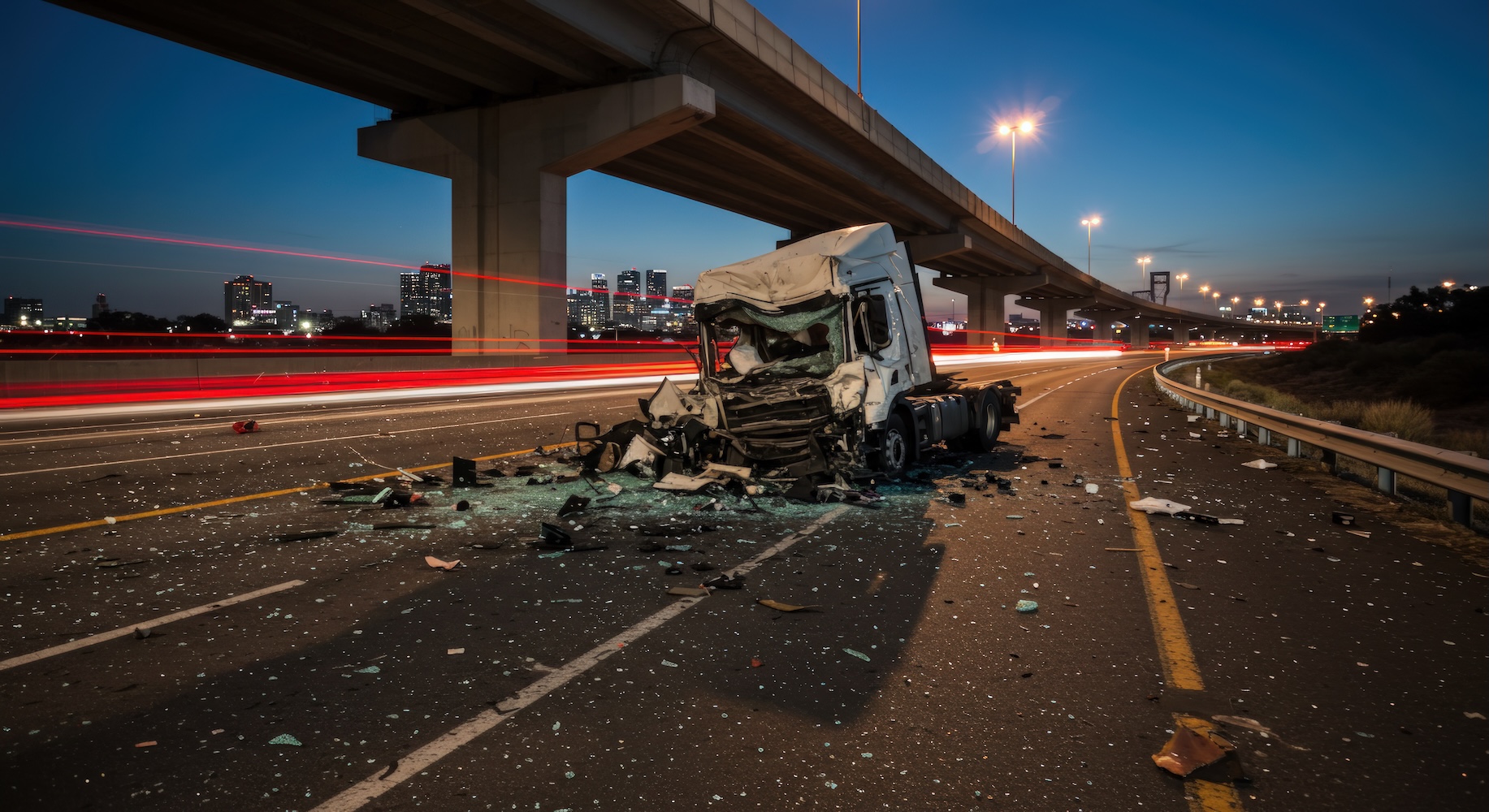
Fatal Truck Accidents and Wrongful Death Claims in Washington
When a truck accident turns deadly, families are left with grief, confusion, and questions that deserve answers. How did this happen? Who is responsible? And how do you hold a trucking company accountable for a loved one’s death?
At Campiche Andrews, we’ve seen firsthand how catastrophic trucking collisions devastate families across Washington. These aren’t minor fender-benders, they’re life-altering events involving 80,000-pound vehicles, corporate negligence, and insurance giants that fight to limit payouts.
This guide explains what families need to know about fatal truck accidents and wrongful death claims in Washington, including how liability works, who can file, what damages are recoverable, and what steps to take next.
Why Fatal Truck Accidents Are So Devastating
Let’s start with the big picture.
Every year, thousands of people are killed in collisions involving large commercial trucks. According to federal data, one in ten traffic fatalities nationwide involves a large truck. And in Washington, that risk is amplified by:
-
Major freight routes like I-5, I-90, and Highway 18
-
Heavy port and industrial traffic in Seattle and Tacoma
-
Steep mountain grades where brake failure is more common
-
Long, monotonous stretches that lead to driver fatigue
Because of their size and weight, even a low speed truck collision can be fatal to car occupants. In many cases, the truck driver walks away while another family loses everything.
How Truck Accidents Turn Fatal
Fatal truck accidents usually result from one or more of these preventable failures:
-
Driver fatigue: Truckers often drive long hours in violation of Hours-of-Service (HOS) rules.
-
Distraction: Phone use, GPS input, or eating behind the wheel.
-
Speeding: Especially downhill or in wet conditions.
-
Improper cargo loading: Shifting freight that causes rollovers or jackknifes.
-
Brake or tire failure: Poor maintenance and skipped inspections.
-
Inexperienced drivers: Poor training or negligent hiring by the company.
-
Weather and visibility issues: When drivers fail to adjust for conditions.
We cover these in depth in our post on Common Causes of Truck Accidents in Washington but when negligence leads to a death, the legal process becomes much more complex.
What Qualifies as a Wrongful Death After a Truck Crash?
Under Washington law (RCW 4.20.010 – 4.20.046), a wrongful death occurs when a person dies because of another’s negligence, wrongful act, or failure to exercise reasonable care.
In the context of trucking, that might include:
-
A fatigued or impaired driver violating safety regulations.
-
A company that skipped mandatory brake inspections.
-
A cargo loader who failed to secure freight.
-
A parts manufacturer whose defective brakes failed on a grade.
If that negligence caused a fatal crash, surviving family members have the right to bring a wrongful death action against the responsible parties.
Who Can File a Wrongful Death Claim in Washington?
Washington law is very specific about who can file and benefit from a wrongful death claim. Typically, that includes:
-
The personal representative of the deceased person’s estate (often appointed in probate).
-
The surviving spouse or domestic partner.
-
Children or stepchildren of the deceased.
-
If none of the above exist, then parents or siblings may be eligible.
If you’re unsure whether you can file, see our full guide: Who Can File a Wrongful Death Claim in Washington?
How Liability Works in Fatal Truck Accidents
Fatal truck crashes often involve multiple layers of liability because trucking operations are fragmented. One company owns the truck, another leases it, another employs the driver, and yet another loads the cargo.
Parties who may be liable include:
-
Truck driver – for negligent operation (fatigue, speeding, distraction).
-
Trucking company – for poor hiring, supervision, or unrealistic schedules.
-
Freight or loading company – for overloading or unbalanced cargo.
-
Maintenance provider – for improper inspections or repairs.
-
Truck manufacturer – for mechanical or design defects.
-
Other motorists – when their actions trigger the collision chain.
Our attorneys analyze every angle including black box data, driver logs, dispatch emails, and maintenance records to determine where negligence occurred and how to prove it in court.
Step-by-Step: How Wrongful Death Claims Work After a Truck Accident
Step 1: Investigation and Evidence Preservation
Trucking companies move fast after a crash. They dispatch lawyers, adjusters, and investigators sometimes within hours. That’s why your attorney must act immediately to secure:
-
The truck’s electronic control module (black box) data.
-
Driver qualification and training records.
-
Dispatch communications and GPS logs.
-
Maintenance and inspection reports.
-
Cargo manifests and weight tickets.
-
Scene photos, dash-cam footage, and witness statements.
Once preserved, this evidence forms the backbone of your claim.
Step 2: Determining Fault and Causation
Your legal team reconstructs the crash using experts in accident reconstruction, engineering, and federal trucking regulations. The goal is to show:
-
What went wrong (brake failure, fatigue, etc.)
-
Who caused it (driver, company, loader, manufacturer)
-
How that negligence led to death
The stronger the causal chain, the more leverage you have in negotiations or trial.
Step 3: Calculating Damages
Wrongful death compensation in Washington can include:
-
Medical expenses related to the final injury or illness.
-
Funeral and burial costs.
-
Lost future income and benefits.
-
Loss of companionship, guidance, and consortium.
-
Pain and suffering endured by the deceased before death.
We detail how these damages are valued in Washington Wrongful Death Settlement Value, Damages, and Timeline.
Step 4: Filing the Claim or Lawsuit
Most claims begin with an insurance demand to the trucking company or its insurer. If the case isn’t settled, we file a formal lawsuit in Washington Superior Court.
Because commercial trucking cases involve federal safety laws (FMCSA regulations) and interstate jurisdiction, your lawyer must understand both state and federal litigation strategy.
Step 5: Settlement or Trial
Many wrongful death truck cases settle before trial — but only after extensive discovery, depositions, and motion practice.
If the defendant refuses to pay what’s fair, Campiche Andrews takes the case to trial. Our attorneys have decades of courtroom experience in serious injury and wrongful death litigation.
How Long Do You Have to File a Fatal Truck Accident Claim?
Washington’s statute of limitations gives families three years from the date of death to file a wrongful death lawsuit.
That might sound like plenty of time, but trucking companies don’t wait. Evidence like electronic logs, maintenance files, and dispatch records can disappear within weeks. The sooner your legal team acts, the better your chance of preserving key proof.
Common Defenses Trucking Companies Use
When someone dies in a truck crash, corporate insurers quickly look for ways to shift blame or limit exposure. Common defense tactics include:
-
Claiming the deceased driver was partially at fault.
-
Arguing that weather or other drivers caused the accident.
-
Disputing the value of future income or emotional damages.
-
Destroying or delaying access to electronic records.
Our firm moves fast to secure restraining orders, file preservation letters, and demand data downloads before the evidence disappears.
Settlement vs. Trial: What Families Should Expect
Most wrongful death cases resolve through settlement once the evidence is clear. Trucking companies prefer to avoid trial because juries often react strongly to corporate negligence that costs human lives.
Settlement advantages:
-
Faster resolution and payment.
-
Less emotional strain for families.
-
Lower litigation costs.
Trial advantages:
-
Potential for higher verdicts if the company refuses responsibility.
-
Public accountability for systemic negligence.
At Campiche Andrews, we prepare every case as if it will go to trial which often leads to stronger settlements without ever entering a courtroom.
Seeking Justice and Closure
No amount of money replaces a life. But financial compensation helps families rebuild by covering medical bills, funeral costs, and long-term security. Just as importantly, a successful wrongful death claim forces accountability on negligent trucking companies.
For many families, justice means knowing the company had to answer publicly for what happened. It means preventing another tragedy on Washington’s roads.
Why Families Choose Campiche Andrews
-
Decades of experience: Our attorneys have successfully litigated complex truck accident and wrongful death cases throughout Washington.
-
Proven results: Multi-million-dollar recoveries for victims of negligent truck drivers and corporate misconduct.
-
Personal attention: You’ll work directly with experienced trial lawyers and not case managers or call centers.
-
No upfront fees: We only get paid when we win your case.
We represent families statewide, including Seattle, Tacoma, Olympia, Spokane, Bellevue, and surrounding communities.
What To Do Next
If you lost a loved one in a fatal trucking accident, here’s what to do right now:
-
Don’t sign anything from the trucking company or its insurer.
-
Preserve records and photos from the crash scene.
-
Keep receipts and documentation of all related expenses.
-
Contact a wrongful death attorney as soon as possible.
You can schedule a confidential free case review with our team to discuss your options. We’ll answer your questions honestly and explain how we can help your family seek justice.
People Also Ask
What qualifies as a wrongful death after a truck accident?
If a person dies because of another’s negligence like a tired or reckless truck driver, it qualifies as wrongful death under Washington law. The victim’s family can file a civil claim for damages.
Who can file a wrongful death claim in Washington?
Usually the surviving spouse, domestic partner, or children. If none exist, parents or siblings may qualify. See our post on Who Can File a Wrongful Death Claim in Washington.
How long do I have to file a wrongful death claim after a truck accident?
Most families have three years from the date of death, but it’s smart to act fast since trucking evidence can vanish quickly.
What compensation can families recover?
Damages can include funeral costs, medical bills, lost income, and loss of companionship or support. Learn more in Washington Wrongful Death Settlement Value, Damages, and Timeline.
Do truck companies usually settle or go to trial?
Most cases settle, but only after thorough investigation and negotiation. Companies often settle once they realize evidence proves fault.
How much is a wrongful death truck case worth?
Each case is unique, but fatal truck crashes often involve seven-figure recoveries due to catastrophic loss and corporate liability.
Can I still file if the truck driver was also killed?
Yes, the trucking company or insurer may still be liable even if the driver died in the crash.
How do lawyers prove negligence in fatal truck crashes?
They use black box data, driver logs, maintenance reports, and expert reconstruction to show how negligence caused the death.
Do I have to pay legal fees upfront?
No. Campiche Andrews works on a contingency basis and are paid only if we win your case.
Call Our Seattle Truck Accident Attorneys Today
If you or a loved one has been injured in a truck accident, don’t wait for the trucking company to get the upper hand.
Call (206) 281-9000 or request your free case review today.
At Campiche Andrews, we fight for the justice and compensation you deserve.